
Marketing
Brand positioning, audience definition, market strategy, and the language that makes a business legible to the people it serves.
About the studio
Not because they lacked vision — because they were getting strategy, brand, and space advice from three different people who never talked to each other, and paying three times for a problem that needed one answer.
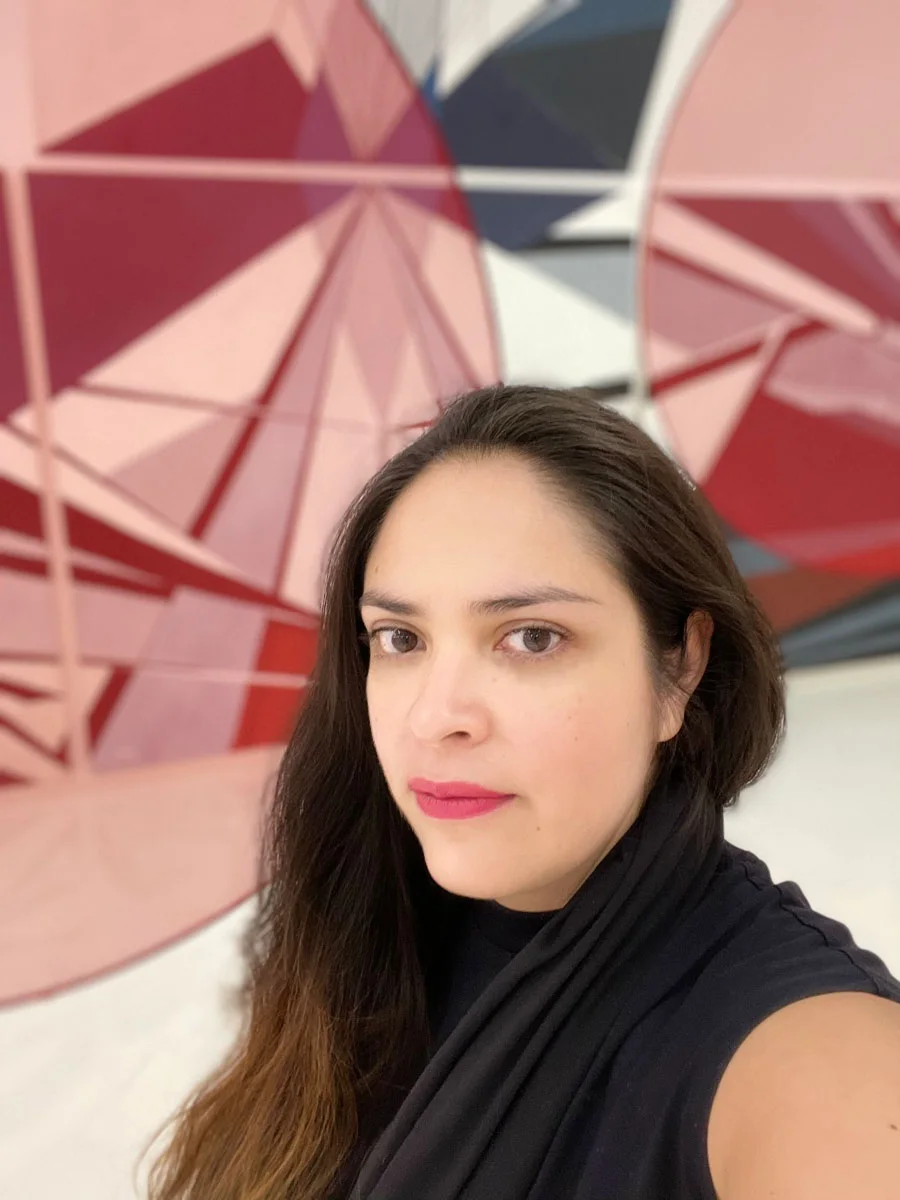
Jay Carreón
Founder & CEO — JASICAPI STUDIO
“My job is to close the gap between what you're building and an entity that can actually launch, fund, and operate.”
Before I built a methodology, I built things: a solo travel community platform with a DAO architecture, a developmental disability services organisation with a full launch blueprint, a film production company's spatial identity, a wellness centre's brand and business model at the same time.
Every time the pattern was the same. The founders knew their domain deeply and their vision clearly. What they didn't have was a system that could translate both into a launchable entity. That's the gap The Crossover Method was built to close.
I work with founders in Mexico City, the US, Canada, and India — across sectors that have almost nothing in common except one thing: the problem that needs solving is always bigger than one discipline.
The background
Most people see a wide range of experience. I see a single perspective — one that lets me design strategy, identity, and space at the same time, rather than treating them as separate problems that happen in sequence.
Brand positioning, audience definition, market strategy, and the language that makes a business legible to the people it serves.
Visual identity, communication design, and the visual language that makes strategy visible and a brand tangible.
Space planning, environmental experience, and the understanding that the places people inhabit are themselves a form of communication.
Model architecture, systems thinking, and a Master's in Business Innovation that frames every design challenge as a business problem — and vice versa.
The way I think
My brain doesn't stay inside disciplinary boundaries. It hyperfocuses, makes connections across unrelated fields, and sees patterns specialists who stay in their lane can't see from the inside. The Crossover Method isn't a framework I invented in a boardroom — it's the natural way I think, systematised into something repeatable.
When I'm working a problem I go deep until I find the actual answer — not the convenient one. That's why the Origin Session uncovers the real problem beneath the stated one.
The Cross stage is my brain working naturally. University dorms, green design theory, and mental-health architecture don't belong in a DD services deck unless you can see the connection.
I don't design elements. I design systems and the relationships between them. Strategy, identity, and space aren't separate deliverables — they're one coherent thing.
What takes traditional consultants weeks of process, I move through in days, because I'm not translating between disciplines — I hold them all at once.
Why this work
When you design strategy, identity, and space together, with the right people at the centre, you get something that doesn't just work — it belongs. It makes sense to the person it was built for. That's what positive design means in practice: not design that looks good, design that makes things possible for people they weren't possible for before.
Every engagement I take on is built on this. The person at the end of the entity you're building is the first design constraint, not an afterthought.
Studio-led ventures
Chüm and Noor were built with The Crossover Method, from intention to entity. They're not case studies of client work — they're proof that the method works from the inside.
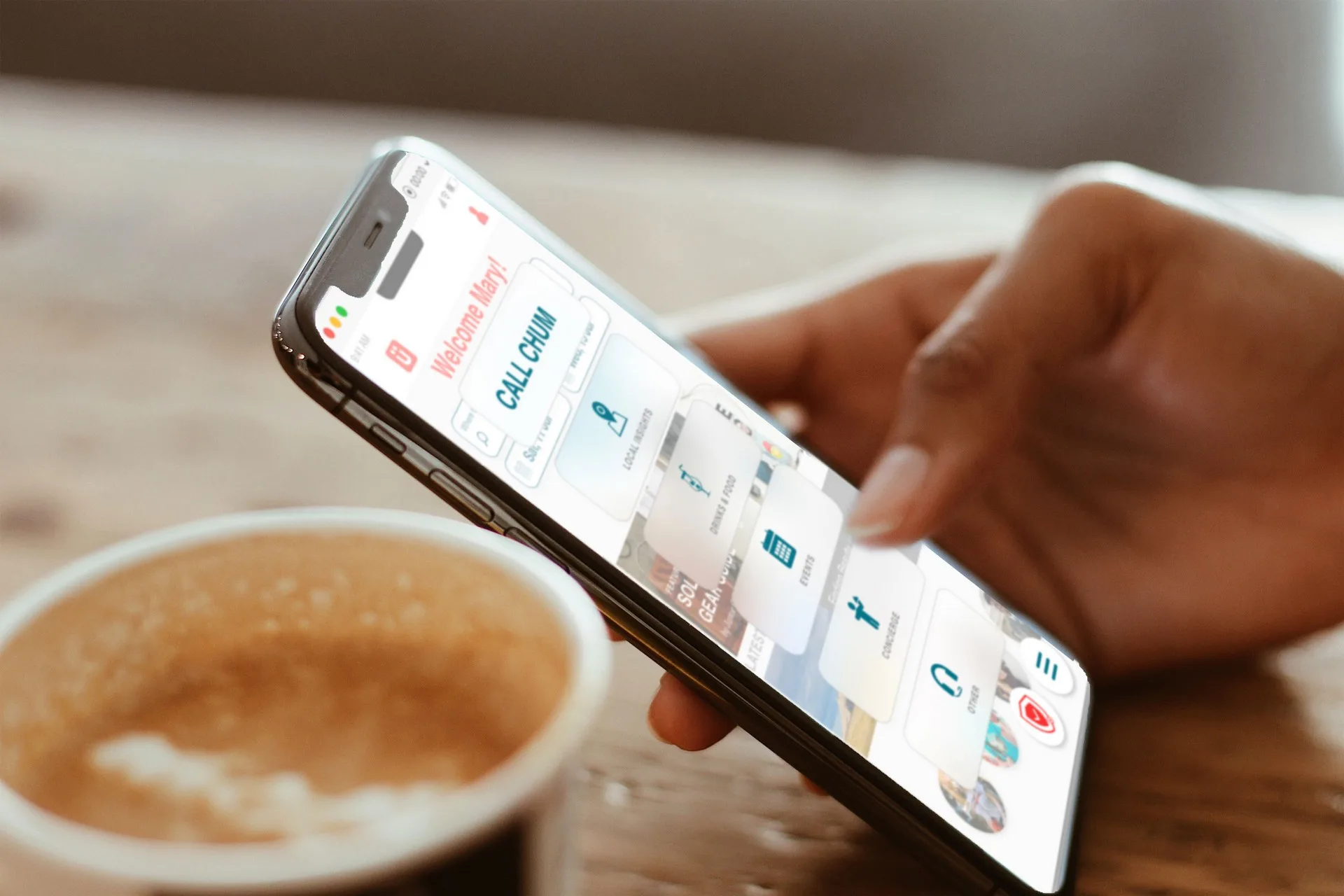
A solo travel community platform and DAO — concept, digital identity, investor presence, financial model, and community architecture. The Crossover Method applied to a digital-first social venture.
Venture · Omaha, NE · USA
Noor
From a letter of intent to an 18-month launch blueprint: benchmark, business model, brand identity, space framework, organisational structure, program pillars, and a pitch-ready deck. The Cross stage brought in biophilic design, university residential models, and environmental psychology.
In their words
The project had a clearer blueprint and could be launched with the information provided. Before working together, all I had was a letter of intent and some vague ideas. The process gave me something I could actually build from.
Start with an Origin Session. 90 minutes to map your intention, surface the real problem, and find out what a full engagement would take.